Exploring the social consequences of gambling in modern society
The Rise of Gambling in Contemporary Culture
In recent decades, gambling has become increasingly integrated into modern culture, evolving from a pastime to a mainstream activity that captures the attention of millions. With the advent of technology, online gambling platforms have made it easier for people to engage in games of chance from the comfort of their homes. This shift has made gambling more accessible, leading to a broader demographic of participants, including those who may have previously avoided traditional venues like casinos. For instance, many players now enjoy the diverse offerings at Jokaviproom Casino Australia, which contributes to the overall growth of the industry.
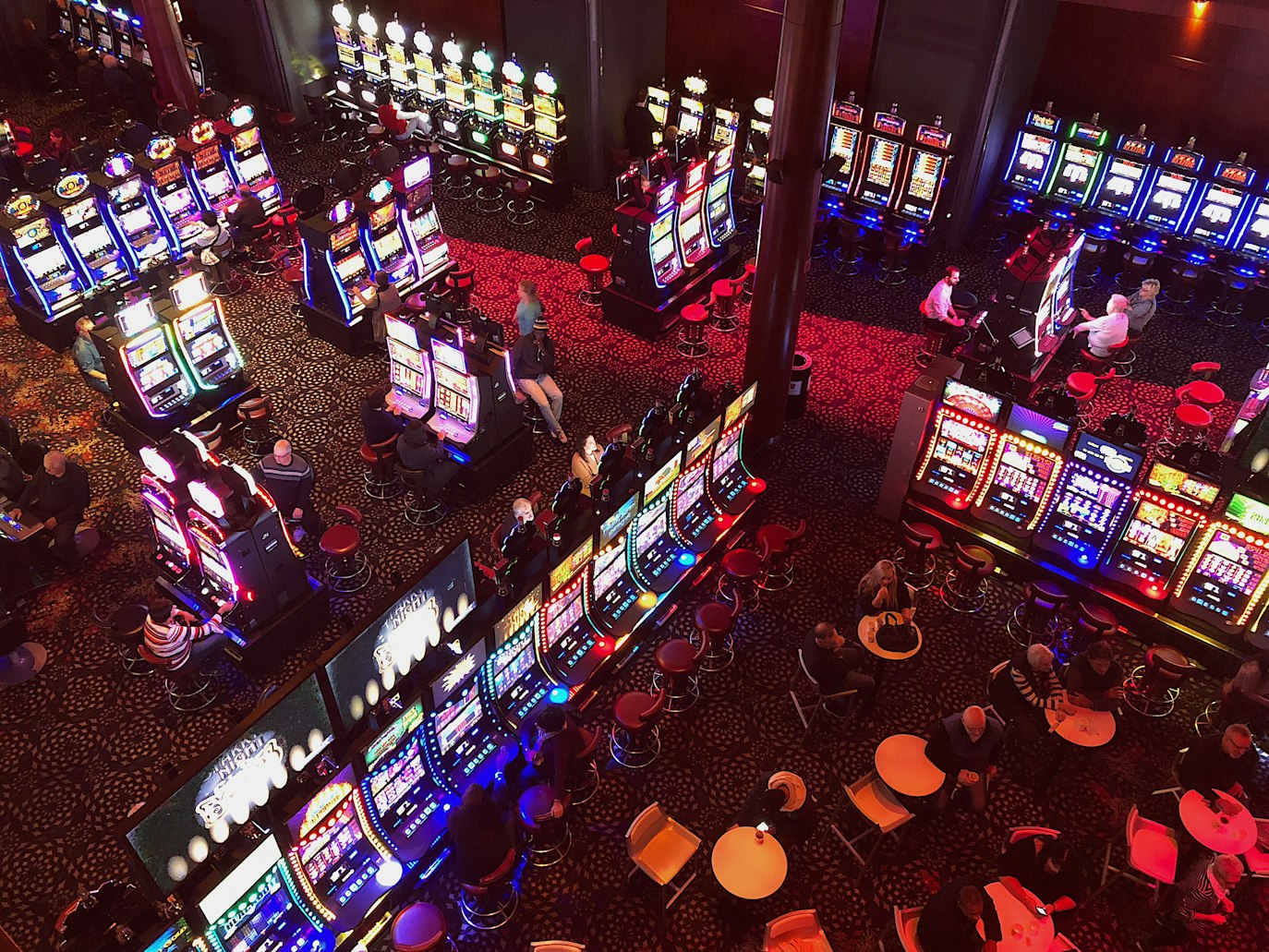
Furthermore, the portrayal of gambling in media and entertainment plays a significant role in shaping public perception. Movies, television shows, and even social media often glamorize the gambling lifestyle, presenting it as an exciting and glamorous pursuit. This cultural representation can minimize the potential risks associated with gambling, contributing to a growing acceptance of gambling as a harmless activity, rather than acknowledging the associated social consequences.
As gambling becomes more prevalent, its influence extends beyond individual players to encompass families and communities. The normalization of gambling within society can lead to an increase in participation rates, often without full consideration of the potential negative consequences. This cultural shift necessitates a critical examination of how gambling is represented and perceived in society, particularly in light of its impact on social norms and behaviors.
The Psychological Impact of Gambling
The psychological effects of gambling can be profound, affecting not only the players but also their families and social circles. Compulsive gambling, recognized as a behavioral addiction, can lead to detrimental mental health outcomes, including anxiety, depression, and severe emotional distress. Many individuals who struggle with gambling addiction may experience feelings of shame and isolation, which can exacerbate their mental health issues and make it difficult for them to seek help.
Moreover, the pressure to win and the thrill of the game can create a cycle of gambling behavior that is hard to break. Many gamblers may chase their losses, convinced that a big win is just around the corner, which can lead to escalating financial problems. This compulsive behavior often results in personal and financial ruin, affecting not only the individual but also their family and community, leading to a ripple effect of distress and hardship.
Addressing the psychological ramifications of gambling requires a multi-faceted approach, including better awareness, education, and support systems. Encouraging open conversations about the mental health implications of gambling can help destigmatize the issue and promote healthier gambling practices. Ultimately, society must recognize the seriousness of gambling addiction and its potential impact on the mental well-being of individuals and their loved ones.
Economic Consequences of Gambling
The economic impact of gambling on society is a complex issue, intertwining both positive and negative aspects. On one hand, the gambling industry contributes significantly to local and national economies, generating revenue through taxes and job creation. Casinos, online gambling platforms, and associated businesses can provide a vital source of income for many communities, potentially funding essential services such as education and healthcare.
Conversely, the economic drawbacks of gambling can be substantial. Many studies indicate that for every dollar generated by the gambling industry, there are costs associated with gambling-related problems. These costs may include increased rates of crime, mental health services, and social support systems for families affected by gambling addiction. Communities may also face the burden of lost productivity due to gambling-related absenteeism and job loss, highlighting the need for a balanced perspective on the economic implications of this industry.
To create a sustainable gambling environment, it is crucial to implement comprehensive policies that address both the economic benefits and the potential societal costs. This includes establishing responsible gambling initiatives, funding for addiction treatment programs, and community outreach efforts aimed at educating individuals about the risks involved in gambling. A well-rounded approach can help mitigate the negative economic consequences while still allowing communities to benefit from the economic opportunities that gambling presents.
The Role of Regulation and Policy
The regulation of gambling has become a critical component in managing its social consequences. Different countries and regions have adopted various approaches to gambling legislation, with some opting for strict controls while others embrace a more liberal stance. Effective regulation can help ensure that gambling remains a safe and responsible activity, minimizing the potential harms associated with excessive gambling.
Regulatory frameworks play an essential role in establishing guidelines for advertising, operating procedures, and responsible gambling practices. By enforcing age restrictions and promoting awareness of gambling addiction, regulators can help protect vulnerable populations and ensure that gambling does not spiral into a public health crisis. Additionally, collaboration between government bodies, industry stakeholders, and community organizations can lead to more effective policies aimed at reducing gambling-related harm.
As society grapples with the social consequences of gambling, ongoing dialogue about regulation and policy is vital. Stakeholders must remain informed about emerging trends and challenges within the gambling landscape, allowing them to adjust policies as needed to safeguard public welfare. The ultimate goal should be to create an environment where the benefits of gambling are maximized while its potential harms are mitigated.

Jokaviproom Casino and Responsible Gaming
Jokaviproom Casino represents a modern approach to online gambling, focusing on providing a safe and enjoyable experience for players. Tailored specifically for Australian players, the platform offers a diverse selection of games, from slots to live dealer experiences. Central to its mission is a commitment to responsible gaming, recognizing the potential social consequences of gambling and striving to promote healthy gaming practices.
The casino features an engaging VIP program designed to reward loyal players while encouraging responsible behavior. This program not only provides players with exclusive bonuses and faster withdrawals but also emphasizes the importance of gambling within one’s means. By fostering an environment that prioritizes player welfare, Jokaviproom Casino aims to minimize the risks associated with gambling, contributing positively to the online gaming community.
As the landscape of gambling continues to evolve, platforms like Jokaviproom Casino play a crucial role in promoting awareness and responsible gaming practices. Through secure payment options and a user-friendly interface, the casino ensures that players can enjoy their gaming experience without compromising their well-being. In this way, the casino is not only a source of entertainment but also a part of the broader conversation surrounding the social consequences of gambling in modern society.